
Australian Beaches - photos
About
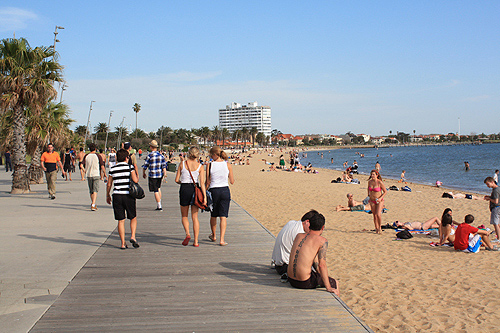
Australia is an isolated country completely surrounded on all sides by sea. Oceans that surround Australia include the South Pacific, Indian, and Great Southern Ocean. Seas include the Timor, Arafura, Coral, and Tasman seas. The Bass Strait separates the island state of Tasmania from the main continent. Australia is renown for its beaches. With a huge 25,760 km of coastline containing 11,011 significant beaches, that is more beaches than any other nation.
Read more →
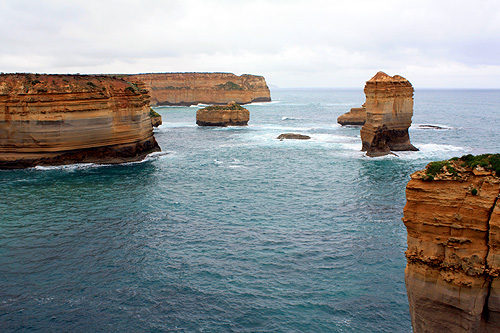
Port Campbell National Park
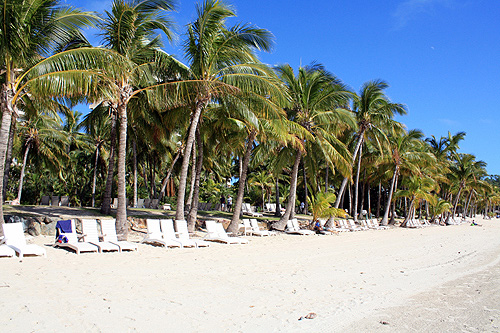
Hamilton Island
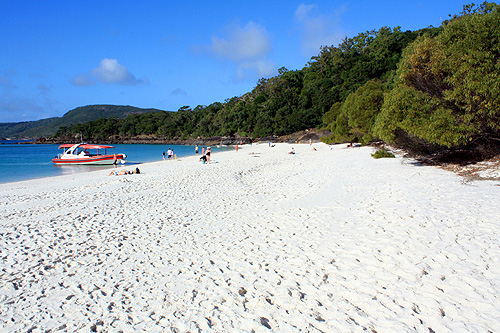
Whitehaven Beach
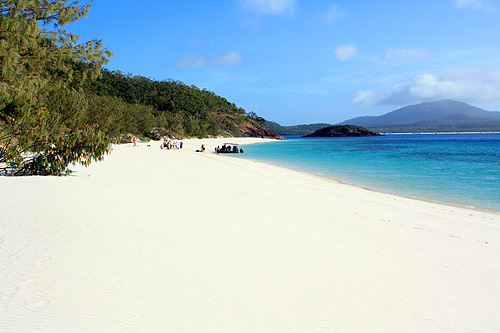
Haslewood Island
Great Barrier Reef
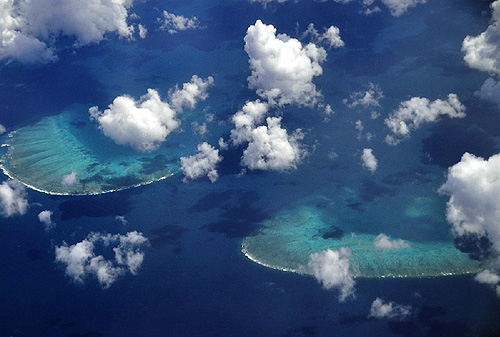
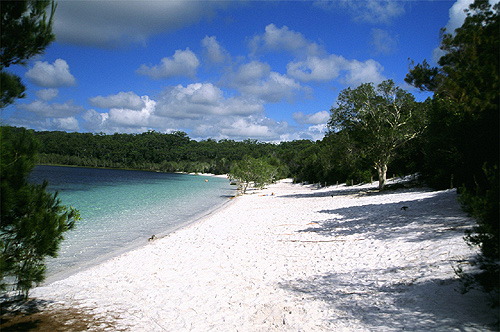
Fraser Island
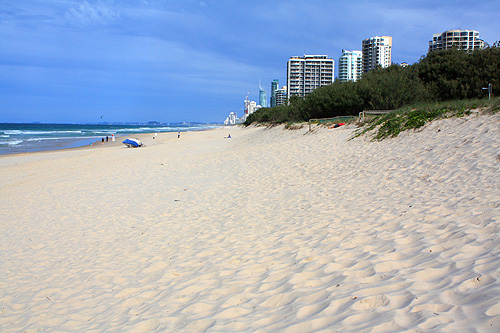
Gold Coast
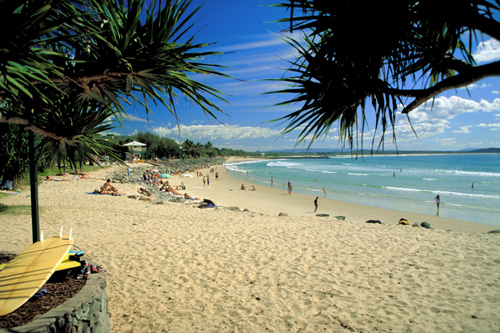
Sunshine Coast
Cape Tribulation
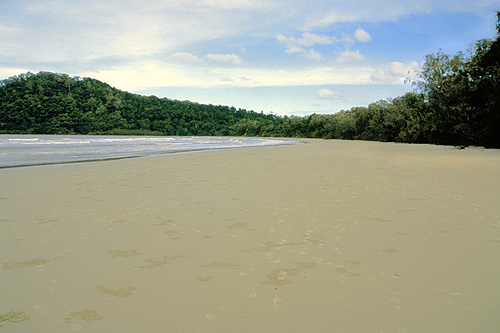
Bells Beach
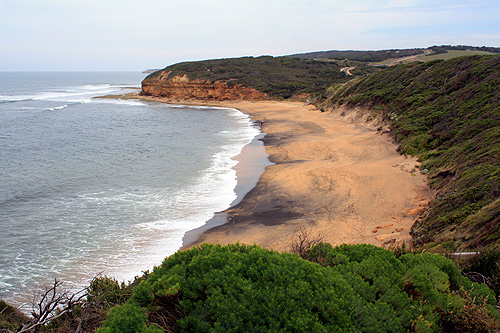
Great Ocean Road
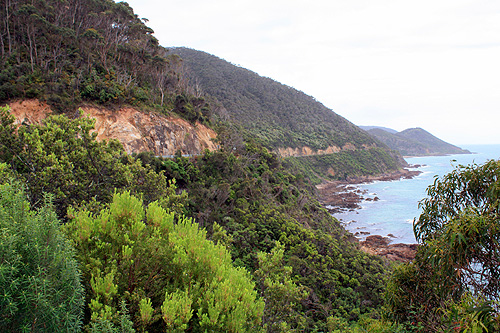
Whitsunday Islands
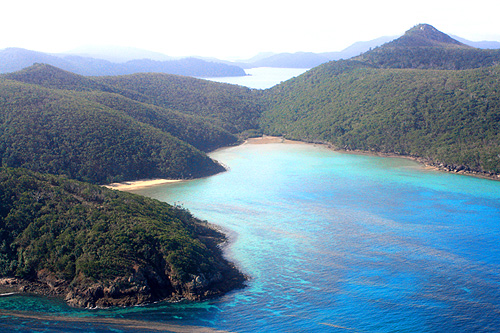
Jervis Bay
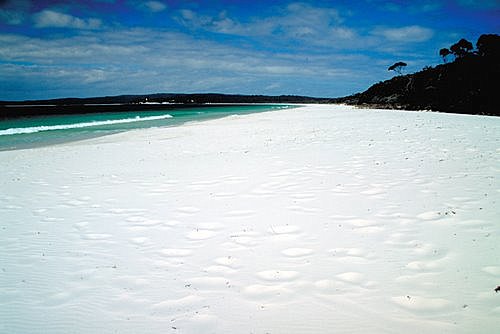
Byron Bay
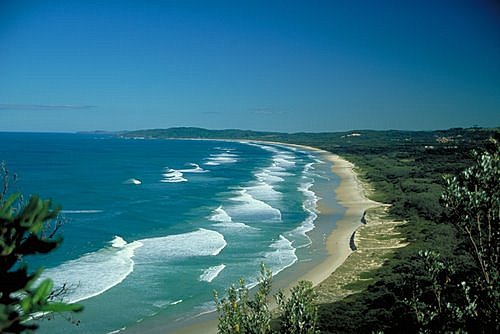
Fraser Coast
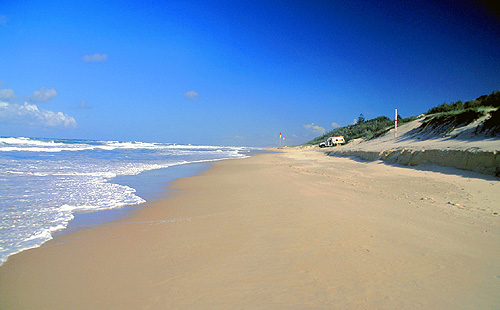
Port Douglas
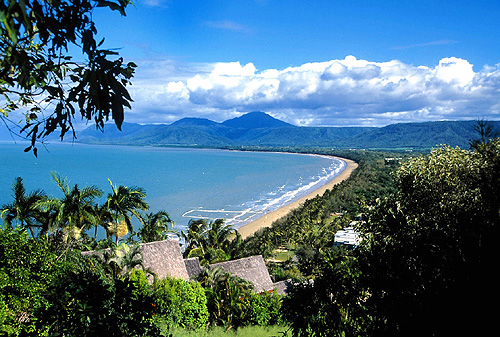
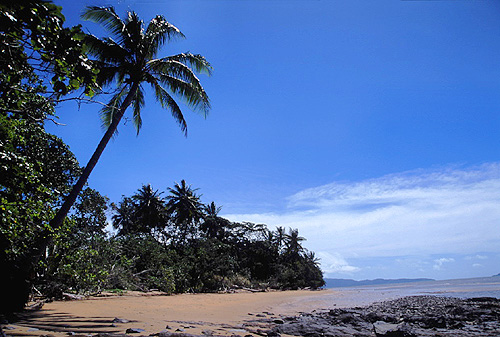
Cairns Coastline
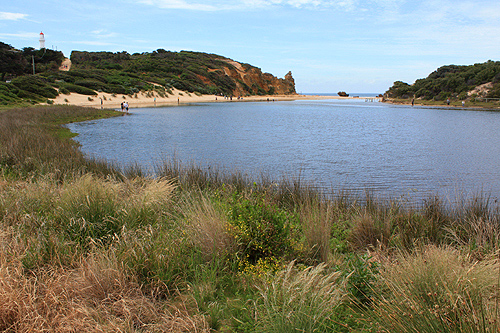
Aireys Inlet
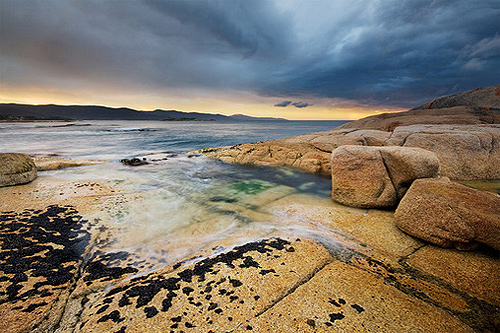
Tasmania Coastline
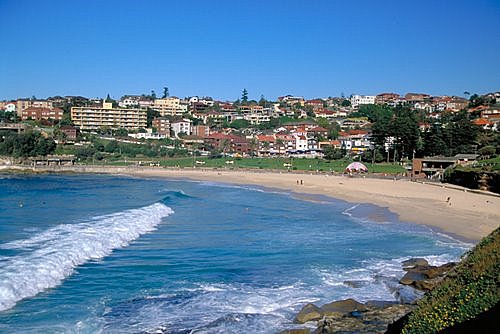
Sydney Beaches
Melbourne Beaches
More Beaches
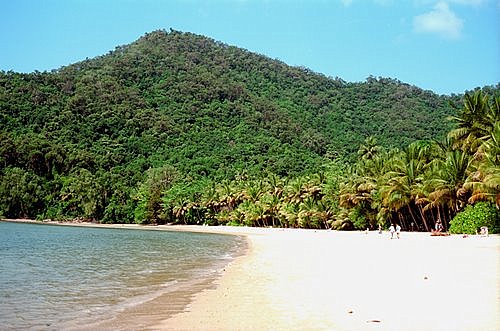
The coastline also varies and extends from the tropics in the north to sub Antarctic Islands in the south. Eighty percent of Australians live in a coastal strip that extends from Cairns down to Adelaide and inland for only 50 kilometres.
Highlights of the Australian coastline are too numerous to list, but significant features include the Great Barrier Reef, Fraser Island, and The Twelve Apostles.
The Great Barrier Reef is the largest reef on Earth extending for over 2000 km. This is about the same size of the USA's eastern coastline. The Barrier Reef is a World Heritage Area as well as one of the Seven Wonders of the Natural World. The reef encompasses nearly 1000 pristine tropical islands.
Fraser Island is the largest sand island in the world and another World Heritage site. The island runs close to the Queensland coast and is 144km long. It has sandhills that rise nearly 240m in places and there are over 100 freshwater lakes. Some of these lakes are among the cleanest in the world and are surrounded by sub-tropical rainforest.
The Twelve Apostles, are unusual rock formations which rise out of the ocean and stand up to 100m above sea level. They are located along Victoria's southern coastline in Port Campbell National Park.
Ningaloo Reef in Western Australia has a pristine coral reef though not nearly as big as the Great Barrier Reef. Nevertheless, it rivals it for coral quality and unusual fish species. It is the location for the enormous whale shark.
Statistical breakdown of the Australian coastline in km.
    Australia (total)   36,735km
    Western Australia   12,500km
    Queensland           7,400km
    Northern Territory   6,200km
    South Australia      3,700km
    Tasmania             3,200km
    New South Wales      1,900km
    Victoria             1,800km
    ACT (inc Jervis Bay)    35km
Author & photographer: David Johnson (Virtual Australia). Providing a credit or link is appreciated.
Our content: logos, site names, text, photos, and website design are protected by international copyright law.
Original versions of our photos can be purchased / licensed & web versions can be shared subject to conditions.