
New Zealand Culture
About
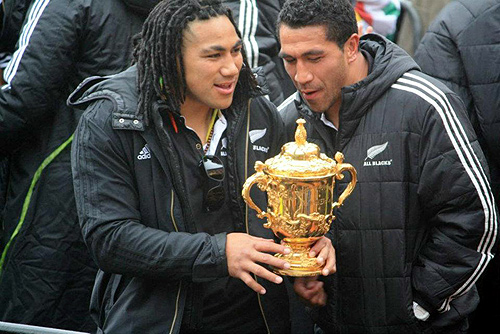
New Zealand culture is a blend of European, Maori, Pacific Island, & Asian people's and cultures existing together in one of the world's most beautiful island groups. Citizens here are called kiwis, a term that did not derive from kiwifruit, rather a flightless bird of the same name, which is also the national icon. On the whole, Kiwis are a laid back people who are far removed from many of the world's big problems. They concentrate more on sports like rugby, yachting, and beating their Australian neigbours. Kiwis are also lovers of the great outdoors, cafe culture, craft beer & wine tasting, and the arts.
Read more →
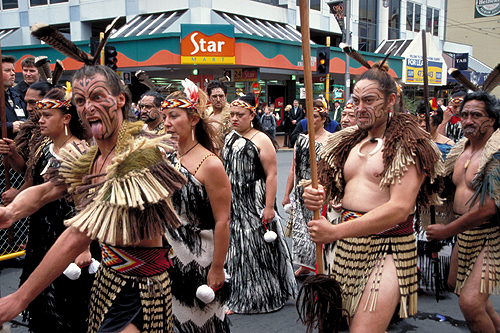
Maori Culture
New Zealand Film Industry
Kiwiana
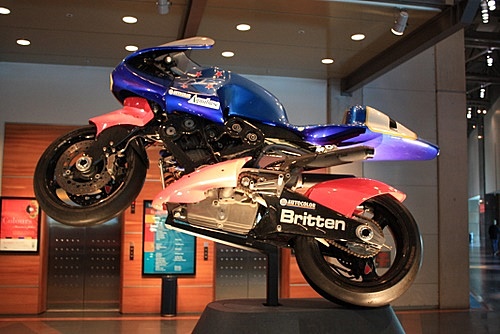
New Zealand Sport
The first inhabitants
Culture in New Zealand is unique given the nation's geographic isolation. The first inhabitants arrived over 1000 years ago. They were Polynesians and became known as the Maori. They lived in the islands of New Zealand for many centuries. They grouped together in tribes or Iwi and often fought each other for land, goods, and resources. Their lifestyle and culture changed abruptly when Europeans discovered the islands of New Zealand while on voyages around Australia and the South Pacific.
European DiscoveryDutch navigator Abel Tasman was the first Europeans to sight New Zealand. After discovering Tasmania he headed east over what is now called the 'Tasman Sea'. On the 13th of December 1642, he recorded in his journal that he saw a 'a large land, uplifted high'. His refernce was likely to the potruding Southern Alps mountain range in the South Island. He later turned north and anchored on the northern coastline of the South Island. to pass Cape Foulwind and Cape Farewell. It was here that he had a bloody encounter with the Maori. Despite that, he wrote that the place was 'a very fine land'. He went on to explore the North Island then sailed toward Tonga, Fiji, and New Guinea.
On the 6 October 1769, British explorer James Cook landed in Poverty Bay in New Zealand. He went on to map the coastline and along with naturalists Joseph Banks and Daniel Solander, they gathered much information on New Zealand's unique plants and animals. He returned a further two times. European contact became frquent in the 1800s as whalers, sealers, and missionaries visted. Later gold rushes brought in many immigrants from Australia, England, China, California, Germany, Scandinavia and other European countries.
After some conflicts between the local Maori and the immigrant population known as Pakeha, New Zealand progressed despite its isolation to become a modern and affluent western society. But the nation hasn't forgotten its roots and reguraly celebrates its Maori culture along with its European culture. There is also a sizable Polynesian population from other South Pacific islands who consider New Zealand to be the main region for employment and city life. In recent times, the Asian population continues to grow at an increading rate. In the 21st century, most New Zealanders are of European descent around 69 percent. The Māori account for 14.6 percent of the population, followed by Asians at 9.2 percent. Ohther Polynesians (non-Maori) account for 6.9 percent.
TodayThe unique blend of European, Polynesian, and Asian populations give New Zealand its rich culture today. The country loves sport especially Rugby, and has a burgeoning movie industry. Tourism is the largest industrial sector and the country relies heavily on its dairy industry which is the biggest in the world. The country produced fine wine and food products and exports around the world.
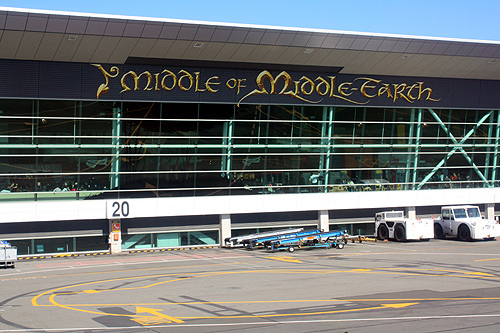
KiwianaNew Zealand is a young country compared to other nations and lacks ancient ruins and artifacts post-European. However. it does recognise its short European history with a collection of items and icons from the 20th century. Called Kiwiana, it is a collection of recognised iconic Kiwi elements and today forms part of New Zealand's heritage. The concept of Kiwiana is similar to Australiana or Americana in their respective countries.
Author & photographer: David Johnson (Virtual New Zealand). Providing a credit or link is appreciated.
Our content: logos, site names, text, photos, and website design are protected by international copyright law.
Original versions of our photos can be purchased / licensed & web versions can be shared subject to conditions.