
Hamilton - photos
 |  |  |  |
 |  |  |  |
 |  |  |  |
Related Galleries | |||
 |  |  |  |
About Hamilton
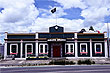
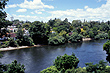
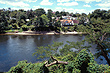
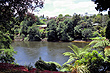
Hamilton is the fouth biggest city and largest inland city in New Zealand. Situated just south of Auckland, in the Waikato, it is thought that the city could merge Auckland in years to come as both cities expand. Hamilton serves the surrounding rural economy of the Waikato Basin, the most fertile land in the country and the centre of the richest dairy industry in the world. Read more ››
Author & photographer: David Johnson (Virtual New Zealand). Providing a credit or link is appreciated.
Our content: logos, site names, text, photos, and website design are protected by international copyright law.
Original versions of our photos can be purchased / licensed & web versions can be shared subject to conditions.